

Career Paths Emerging in Dyslexia and Structured Literacy
March 20, 2026
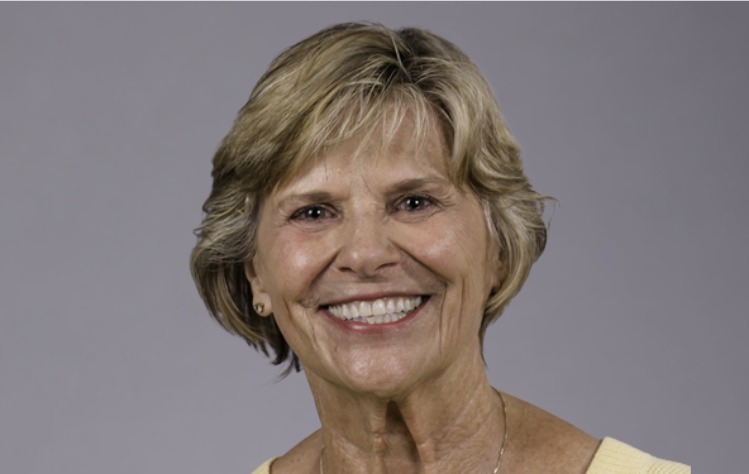 Paula Witkowski, PhD, Professor and Director of the Reading Program
As schools nationwide adopt the science of reading and respond to rising dyslexia legislation, educators with specialized training in structured literacy and dyslexia intervention are stepping into a new generation of literacy leadership roles.
These careers go far beyond the traditional reading specialist and offer higher earning potential, broader impact and expanded pathways into coaching, assessment and district‑level support. If you are considering Webster University’s MA in Reading and Dyslexia and the Science of Reading Certificate, here is a look at how this program can help you advance your career and an overview of the job titles for which you would qualify.
Reading Specialists serve as literacy experts in schools, often working as instructional leaders or coaches who coordinate reading instruction across grade levels. Their responsibilities typically include analyzing student reading data, supporting teachers with evidence-based practices and helping align curriculum with district or state standards. According to the U.S. Bureau of Labor Statistics, reading specialists align most closely with instructional coordinators, who earned a median annual salary of $74,720 in 2024, based on data from the Occupational Employment and Wage Statistics program and the Occupational Outlook Handbook.
Literacy Coaches focus on teacher coaching and curriculum leadership rather than full-time classroom instruction. They work directly with educators to strengthen literacy practices by modeling lessons, providing professional development and supporting the implementation of research-based reading programs. The Bureau of Labor Statistics classifies these duties under instructional coordinators, a role with a 2024 median annual salary of $74,720, reflecting national pay levels for professionals who guide instructional quality and curriculum development.
Dyslexia Interventionists work with special education teachers to provide targeted literacy instruction for students with identified reading disabilities. Their work often includes delivering structured literacy interventions, monitoring student progress and supporting individualized education programs beyond general classroom teaching. These positions align most closely with special education teachers, for whom The Bureau of Labor Statistics reports a median annual salary of $67,190 in 2024, according to federal wage data.
Reading Interventionists and Tutors provide direct, small group or one-on-one literacy instruction for students who need additional academic support. In many settings, these roles overlap with tutoring responsibilities and may involve part-time or school-year employment. The Bureau of Labor Statistics reports a 2024 median annual salary of $40,090 for tutors, reflecting national wage data published in the Occupational Outlook Handbook and information from the Occupational Employment and Wage Statistics program.
Prepare to Teach, Lead and Transform Literacy for Every Learner
Today’s classrooms need literacy professionals who understand far more than the basics of teaching reading. They need educators equipped with knowledge about structured literacy, expertise in the science of reading and specialized training in dyslexia.
Paula Witkowski, PhD, Professor and Director of the Reading Program, noted that Webster’s reading program is “among the few programs nationally accredited by the International Literacy Association (ILA) and the only program in Missouri accredited by both the International Dyslexia Association (IDA) and the Center for Effective Reading Instruction (CERI)."
- We offer hands‑on and real‑world application. You can apply structured literacy evaluation and intervention practices during supervised practicum experiences working with students in your own educational setting.
- Our classes are online, flexible, and built for working educators. You can study anywhere, on your own schedule, with faculty who specialize in the science of reading, dyslexia and structured literacy intervention.
Within this context, our graduates are prepared to meet modern literacy challenges, not just teach reading.
Rena Rockwell, EdD, Associate Professor, explained that many master’s degree programs in reading/literacy “often offer general literacy preparation, but not dyslexia‑specific certifications.” This means that dyslexia training is optional and not embedded into the reading program like the MA in Reading/Dyslexia at Webster University.
Our MA in Reading is a two-in-one degree program.
- We also offer a standalone Graduate Certificate (GCRT) in Dyslexia. You can earn a specialized credential aligned with national dyslexia standards. If you do not wish to earn an MA in Reading, the GCRT in Dyslexia will open more career doors.
Dyslexia training gives you a competitive edge, broadening job opportunities from classroom literacy roles to interventionist, reading assessment support, literacy coach and district‑level coaching.
Webster’s reading program prepares you to confidently serve all students, including those with dyslexia and other reading difficulties, while helping you step into emerging roles in literacy leadership, intervention, coaching and assessment.
Fall 2026 enrollment is open. Join the cohort